

Last Updated: November 21, 2026
Quick Summary
To stop thinning hair naturally, first identify the cause, since genetics, hormones, nutrition, stress, and styling damage each need a different approach. Then fix nutrient gaps, add one evidence-backed topical, switch to gentle scalp-focused care, and give it six months before judging results.
- Nutrient-related shedding typically appears two to three months after a shortfall begins.
- Low ferritin is one of the most common findings in women with heavy menstrual bleeding.
- Postpartum shedding usually resolves over six to twelve months as hormones settle.
- Wash two to three times a week with a gentle cleanser and pat dry, never rub.
- Take monthly photos in the same light so you can actually see change.
Table of Contents
- Why Your Hair Is Thinning: Finding the Real Cause First
- What Vitamin Deficiency Causes Hair Loss and Other Nutrient Gaps
- Natural Remedies for Hair Growth and Thickness Ranked by Evidence
- How to Stop Thinning Hair Naturally in Females
- Hair Regrowth Timeline: What to Expect Month by Month
- Hair-Care Habits and Scalp Care That Reduce Shedding and Breakage
- Building Your Personalized Natural Hair Recovery Routine
- Frequently Asked Questions
Why Your Hair Is Thinning: Finding the Real Cause First
You cannot stop thinning hair until you know why it is thinning. That single idea is where most people go wrong. They buy a shampoo, wait three months, and wonder why nothing changed. Many people treat a symptom without knowing what is driving it.
Thinning hair is a gradual reduction in strand density and thickness, usually driven by genetics, hormones, nutrition, stress, or styling damage. Each cause responds to different treatments. Fix the wrong one and you waste money and months.
So before you buy anything, work out which pattern matches your hair.
Common Types of Hair Loss and What They Look Like
- Pattern hair loss: Slow thinning at the temples, crown, or part line. Runs in families. The most common type in both men and women.
- Telogen effluvium: Sudden, heavy shedding weeks after illness, stress, or childbirth. Usually temporary.
- Traction alopecia: Thinning along the hairline from tight braids, ponytails, or extensions.
- Nutritional thinning: Diffuse, all-over shedding linked to poor intake of protein, iron, or other nutrients.
Signs You Should See a Doctor Before Self-Treating
Some signs are not safe to manage at home. Book a medical visit if you notice:
- Patches of smooth, bare scalp
- Scalp pain, redness, or flaking
- Rapid loss over a few weeks
- Loss alongside fatigue, weight change, or unusual periods
A doctor can run blood work and rule out thyroid or iron issues. That step comes before any natural remedy.
What Vitamin Deficiency Causes Hair Loss and Other Nutrient Gaps
Nutritional thinning is diffuse, an all-over reduction in density rather than a receding hairline or a bald patch. It happens because hair follicles are among the most metabolically active tissues in the body, and when intake of a key nutrient falls short, the body prioritizes vital organs over hair production. That is why nutrient-related shedding typically appears two to three months after the shortfall begins, not the week it starts.
The nutrients most consistently linked to hair loss in clinical practice are iron (measured as ferritin), vitamin D, zinc, vitamin B12, and protein. Each plays a distinct role:
- Iron: Ferritin is the storage form of iron, and low ferritin is one of the most common findings in women with heavy menstrual bleeding. Iron carries oxygen to the follicle; when stores are low, the growth phase of the hair cycle shortens.
- Vitamin D: The vitamin D receptor is expressed in the hair follicle, and low levels are associated with diffuse shedding. Deficiency is widespread among people who work indoors or live at higher latitudes.
- Zinc: Zinc supports follicle growth and repair. Low levels appear in restrictive diets, in some plant-based eaters who do not fortify, and after prolonged gastrointestinal illness.
- Vitamin B12: B12 deficiency is more common in strict vegans, in adults over 50 whose absorption declines, and in people on long-term acid-reducing medications.
- Protein: Hair is roughly 90 percent protein by composition. Very low intake, crash diets, severe calorie restriction, or illness-related poor appetite, shows up as dry, weak strands and increased shedding.
Who Is Actually at Risk of a Deficiency
A deficiency is not the same as a low-normal lab value, and it is not the same as a hunch. The people most likely to have a true shortfall are those with heavy periods, restrictive or elimination diets, bariatric surgery, celiac disease or other malabsorption conditions, pregnancy and the postpartum period, and adults over 50. If none of those apply and you eat a varied diet, a deficiency is less likely to be the driver, which matters, because supplementing without a deficiency rarely helps hair and can cause harm.
Why Testing Beats Guessing
A clinician can order a complete blood count, ferritin, vitamin D, zinc, B12, and thyroid function, and can interpret them alongside your history. Self-diagnosing from symptoms alone is unreliable: fatigue, brittle nails, and shedding overlap across iron, B12, thyroid, and protein problems. The NIH Office of Dietary Supplements fact sheets list daily targets and upper limits for each nutrient and are a free, reliable reference for what "enough" looks like.
The Safety Side Competitors Skip
More is not better. Iron supplements taken without a documented deficiency can cause constipation, nausea, and, in excess, organ damage; they also interact with thyroid medication, certain antibiotics, and calcium. Zinc above the tolerable upper limit can interfere with copper absorption. High-dose vitamin A is associated with hair loss rather than hair growth. If you are pregnant or breastfeeding, check every supplement with your clinician before starting, because several hair-focused formulas are not intended for that period.
Watch out: a supplement is a correction for a gap, not a growth stimulant, if your labs are normal, adding another capsule is more likely to cost money than to restore density.
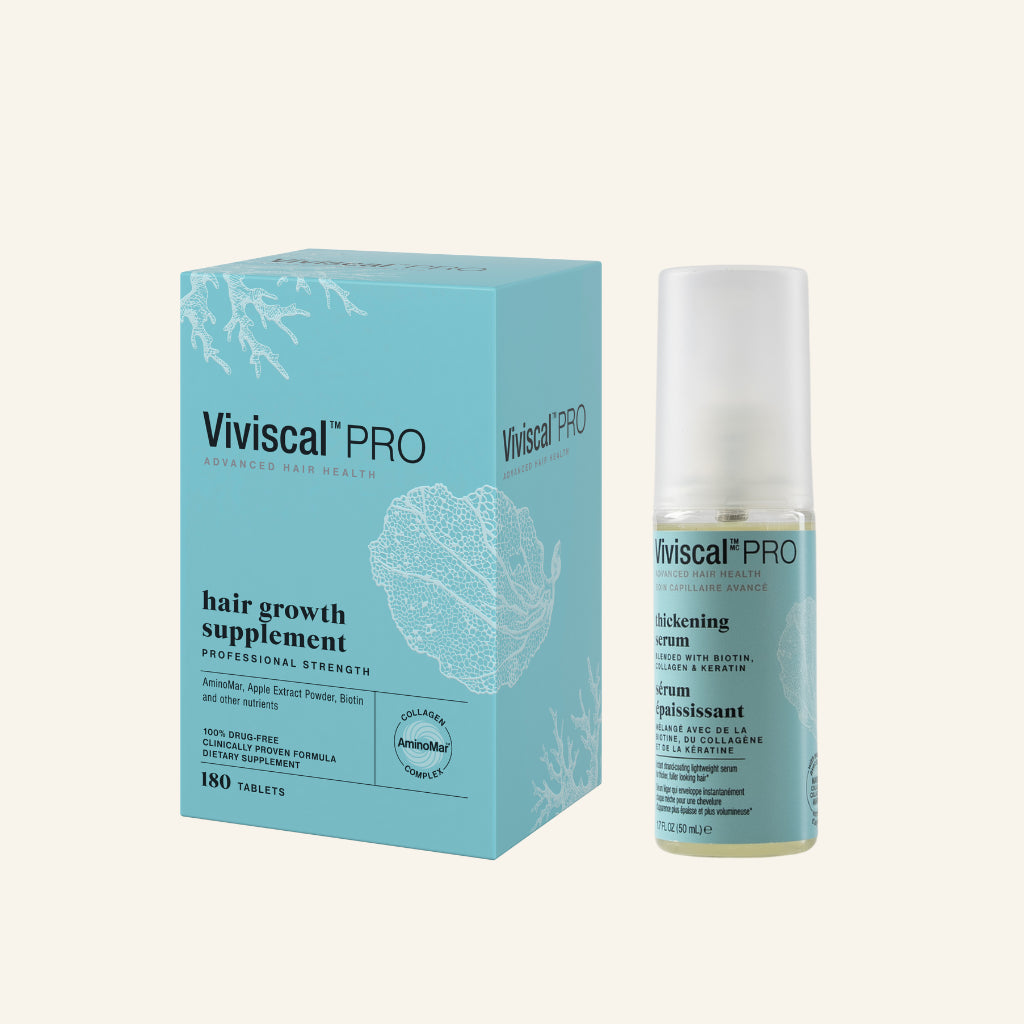
A balanced diet remains the foundation: a palm-sized portion of protein at each meal, iron-rich foods paired with a vitamin C source to improve absorption, and fortified or supplemented B12 for plant-based eaters. For a supplement built to nourish thinning hair from within, our Viviscal PRO supplements and thickening elixir are formulated with marine complex AminoMar®, but pair any supplement with a blood test rather than starting blind.
Natural Remedies for Hair Growth and Thickness Ranked by Evidence
Not all natural remedies are equal. Some have real clinical support. Others have only tradition behind them. Here is how we rank them, from strongest evidence to weakest.
- **
- **
- **
- **
- **
Topical Ingredients With the Strongest Clinical Support
Watch out: essential oils must be diluted in a carrier oil. Undiluted rosemary oil can burn your scalp and cause more shedding, not less.
If you want a drug-free topical, our Revivogen MD 90-Day Scalp Therapy Kit is designed for early to moderate thinning in both men and women.

Herbal and At-Home Treatments Worth Trying
- **
- **
- **
- **
How to Stop Thinning Hair Naturally in Females
Female thinning is not one condition. The same visible symptom, a wider part, a thinner ponytail, more hair in the drain, can come from four very different drivers, and each responds to a different plan. Sorting out which pattern you have is the step most people skip, and it is the reason a random shampoo so often fails.
Match Your Pattern to the Likely Cause
- Pattern hair loss (androgenetic): Slow, gradual widening of the part and thinning at the crown, often with a family history. This is the most common type in women and the least likely to resolve without a consistent, long-term approach.
- Postpartum shedding: Heavy shedding beginning roughly two to four months after birth, peaking around month four, and usually resolving over six to twelve months as hormones settle. It is temporary, but it is alarming, and it is normal.
- Iron-related shedding: Diffuse thinning in women with heavy periods or low dietary iron intake.
- Stress-related shedding (telogen effluvium): Sudden, widespread shedding weeks to months after illness, surgery, crash dieting, or a major life stressor. It typically recovers on its own once the trigger resolves.
- Traction and styling damage: Thinning concentrated along the hairline and temples from tight ponytails, braids, extensions, or repeated chemical processing. This one is largely preventable and partly reversible if caught early.
A Personalized Plan by Likely Cause
If you suspect pattern hair loss: Focus on one evidence-backed topical used consistently, gentle scalp care, and a six-to-twelve-month horizon. Do not expect a supplement alone to change a genetic pattern.
If you are postpartum: Prioritize sleep, protein intake, and gentle handling. Avoid aggressive treatments during the shedding peak, and give your body the full year before judging results.
If you have heavy periods or low iron intake: Ask for ferritin and a complete blood count before self-treating. Correcting a documented deficiency is one of the few natural-adjacent steps with a clear mechanism.
If you have had a stressful trigger: Reduce styling tension, protect sleep, and track shedding weekly. Most stress-related loss resolves without products.
If you wear tight styles: Loosen the ponytail, rotate styles, skip extensions for a few months, and give the hairline a break. This is the single most reversible cause on the list.
Track Shedding Instead of Guessing
A simple method: collect hair from your brush and shower drain for three days, keep it in a paper envelope, and note the rough count. Repeat monthly. A downward trend over three to six months is more informative than any single day's shedding, and it gives a clinician something concrete to work with.
Watch out: sudden, patchy, or painful loss, or loss alongside fatigue, weight change, or unusual periods, warrants a medical visit before any home remedy.
If you are postpartum or managing stress-related loss, a full routine matters more than a single product. Our 60-day scalp-care system targets the scalp directly, where healthy hair begins.

Hair Regrowth Timeline: What to Expect Month by Month
Real regrowth is slow. Here is a general hair regrowth timeline:
| Timeframe | What You May Notice |
|---|---|
| Weeks 1-4 | Less shedding for some; scalp feels healthier |
| Months 2-3 | Early new growth at the hairline; fuller feel |
| Months 4-6 | Visible thickening; stronger strands |
| Months 6-12 | Clearer density gains; results hold with routine |
Take photos monthly in the same light so you can actually see change.
Hair-Care Habits and Scalp Care That Reduce Shedding and Breakage
Your daily routine either helps or hurts. Small habits add up fast. A common mistake is over-washing with harsh shampoo, which strips the scalp and weakens strands. Another is brushing wet hair, when it is most fragile.
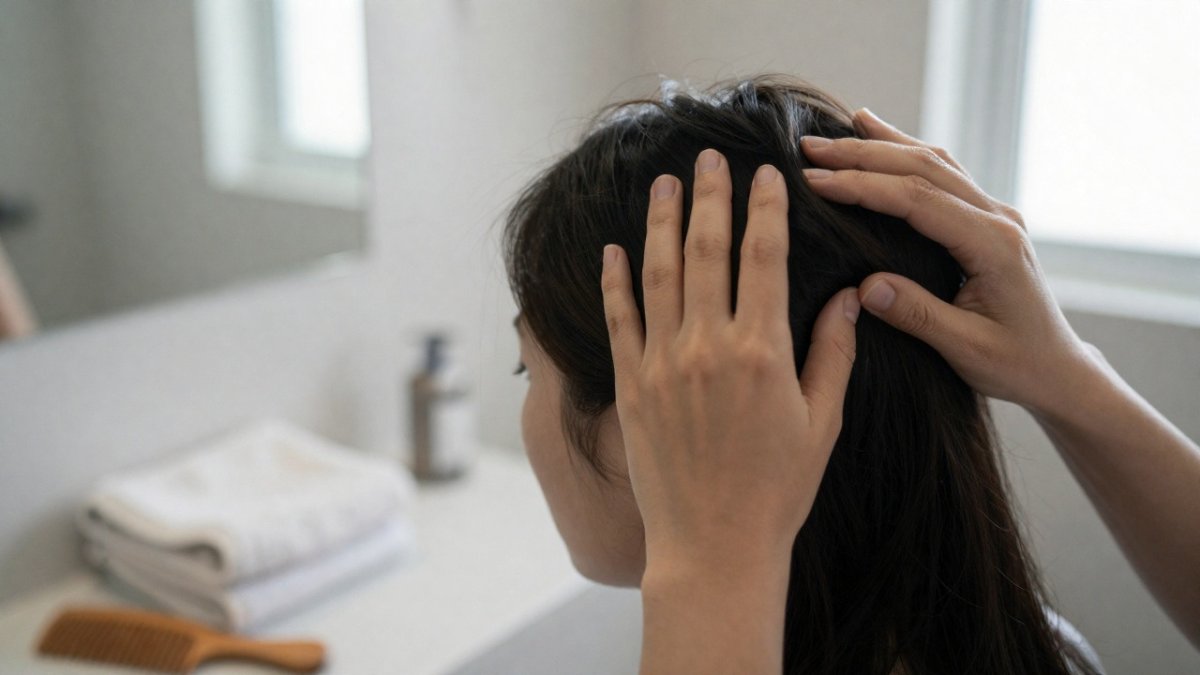
Habits that help:
- Wash two to three times a week with a gentle cleanser
- Pat dry, never rub
- Detangle with a wide-tooth comb, starting at the ends
- Limit heat tools and tight styles
- Massage the scalp a few minutes daily
A thickening shampoo supports this routine. Our TricoMax Revitalizing Shampoo is designed for fine and thinning hair.
Building Your Personalized Natural Hair Recovery Routine
A routine beats a random product. Stack the steps so each one supports the next. This is how to stop thinning hair naturally without guessing.
- Confirm the likely cause first
- Fix nutrient gaps with diet or a supplement
- Add one evidence-backed topical
- Switch to gentle, scalp-focused hair care
- Massage the scalp daily
- Track progress with monthly photos
- Give it six months before judging results
Keep it simple. Consistency matters more than volume. If you have tried drugstore products for years with nothing to show, the difference is usually a complete system rather than one bottle. Our professional scalp-care system pairs treatments so you are not left guessing. For the full range of options, browse our hair-loss treatments.
Thinning hair is frustrating, and the trial-and-error cycle wears people down. The fix is a clear cause, evidence-backed steps, and patience. Hair & Skin Society offers professional-grade systems, including Viviscal Pro, Pharma Hermetic, and Tricomax, built to support scalp health and fuller-looking hair from the inside out. Start shopping with Hair & Skin Society and build a routine you can actually stick with.
Frequently Asked Questions
Can you fix thinning hair naturally?
In many cases you can slow thinning and support regrowth with natural approaches, especially when the cause is nutritional, stress-related, or tied to harsh styling. Natural approaches such as correcting nutrient gaps may help in some cases. However, genetic pattern hair loss usually needs consistent, targeted treatment to hold ground. Natural methods work best started early and combined with gentle hair care, a balanced diet, and realistic expectations over three to six months.
What vitamin deficiency causes hair loss most often?
Iron, vitamin D, zinc, and B vitamins are among the nutrients linked to shedding. A blood test is the only reliable way to know which vitamin deficiency causes hair loss in your case, since guessing leads to wasted supplements. Ask your doctor to check ferritin, vitamin D, zinc, and a full blood count before adding anything to your routine.
How long does it take to see results from natural hair-loss treatments?
Expect a hair regrowth timeline of at least three to six months before visible change. Hair grows roughly half an inch per month, and follicles need time to shift from resting into growth. Many people notice less shedding within eight to twelve weeks, with new thickness appearing later. The Revivogen MD 90-Day Scalp Therapy Kit is one option available in our catalog.
When should I see a doctor about thinning hair?
Book a medical visit if you notice sudden or patchy loss, scalp itching, pain, or redness, or if thinning comes with fatigue, weight changes, or irregular periods. These can point to thyroid issues, autoimmune conditions, or hormonal imbalances that natural remedies will not fix. Also see a doctor if loss continues after six months of consistent treatment. A dermatologist can confirm the type of hair loss and rule out causes that need prescription care.
